The trucking industry plays a vital role in the global economy, transporting goods and ensuring the seamless flow of commerce.
However, as the industry becomes increasingly digitized and interconnected, the need for robust cybersecurity measures has become paramount.
Cyber threats pose significant risks to trucking systems, data integrity, and supply chain operations.
This article delves into the importance of cybersecurity in the trucking industry, explores the potential vulnerabilities, and highlights the investment opportunities in cybersecurity solutions tailored for the trucking sector.
1. Understanding The Cybersecurity Landscape In Trucking:
i. The Rise Of Connectivity

The trucking industry has witnessed a significant increase in connectivity, driven by advancements in technology.
From onboard telematics systems to mobile applications, trucks are now equipped with a range of interconnected devices that enhance operational efficiency.
However, this increased connectivity also expands the attack surface for cybercriminals.
2. Potential Vulnerabilities:
i. Telematics And Fleet Management Systems
These systems collect and transmit sensitive data such as vehicle location, route information, and engine diagnostics.
If compromised, this data could be used for nefarious purposes, leading to financial losses, operational disruptions, or even endangering driver safety.
ii. ELD Mandate Compliance
The Electronic Logging Device (ELD) mandate requires drivers to electronically record their Hours of Service (HOS).
While this regulation improves safety and compliance, it introduces cybersecurity risks, as unauthorized access or manipulation of ELDs can falsify records and compromise regulatory compliance.
iii. Supply Chain Integration
With the increasing integration of supply chains and the adoption of technologies like Internet of Things (IoT) devices and cloud-based systems, vulnerabilities arise at various points along the supply chain.
An attack on a partner or vendor could have cascading effects on the entire ecosystem.
3. Threat Landscape:
i. Malware And Ransomware Attacks
Cybercriminals target trucking systems with malicious software, including ransomware that encrypts critical data and demands a ransom for its release.
Such attacks can cripple operations and result in significant financial losses.
ii. Social Engineering
Phishing emails, spear-phishing, and other social engineering tactics are commonly used to deceive trucking personnel into providing sensitive information or granting unauthorized access to systems.
iii. Remote Access Exploitation
As trucking companies rely on remote access tools to manage their fleet, cybercriminals may exploit vulnerabilities in these tools to gain unauthorized access to the system and compromise security.
4. The Importance Of Cybersecurity In The Trucking Industry:
i. Protecting Data Integrity
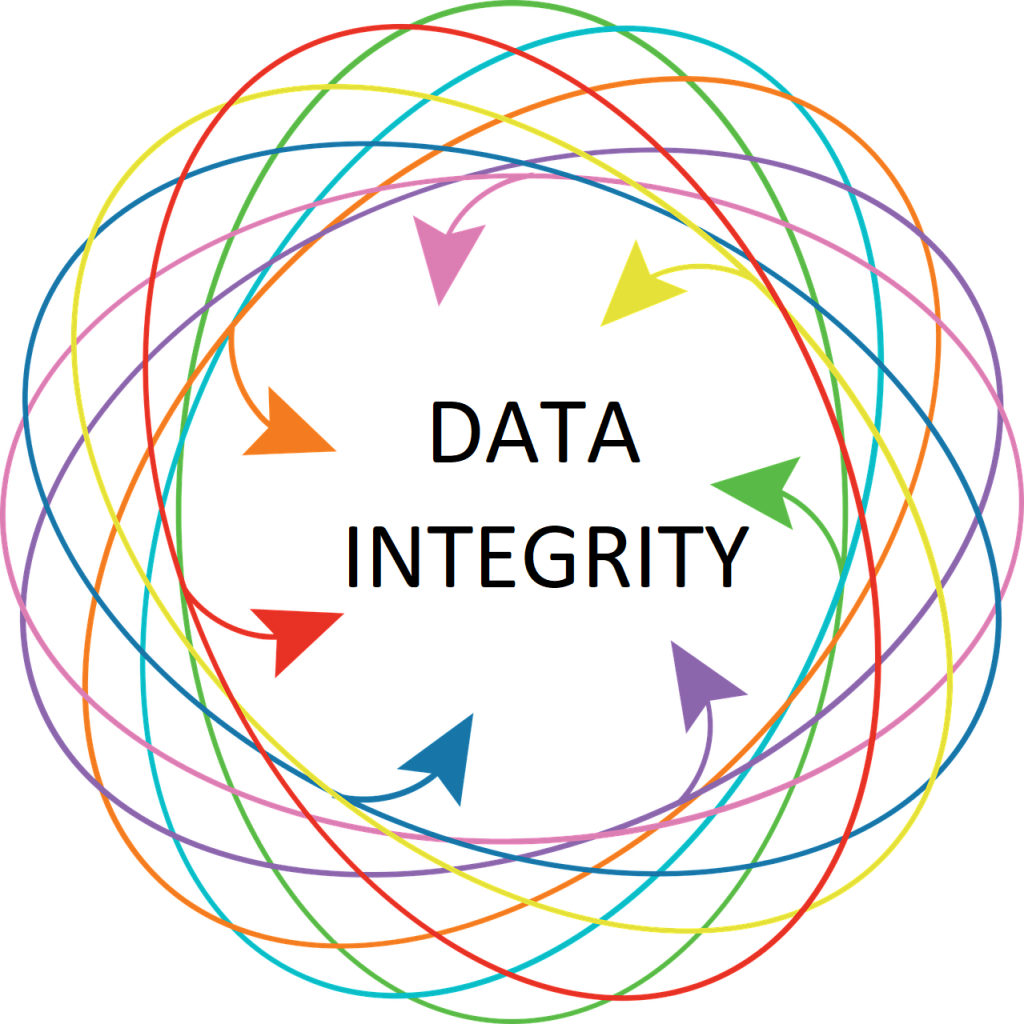
Data integrity is crucial for the efficient functioning of trucking operations.
Ensuring the accuracy, confidentiality, and availability of data is vital to maintain the trust of customers, partners, and regulatory authorities.
Robust cybersecurity measures safeguard against data breaches, unauthorized access, and data manipulation, preserving the integrity of critical information.
ii. Safeguarding Operational Continuity
A successful cyber attack can disrupt trucking operations, leading to delays, missed deliveries, and financial losses.
Implementing cybersecurity measures protects against system downtime, prevents unauthorized access, and ensures the uninterrupted flow of goods, ultimately enhancing operational continuity and customer satisfaction.
iii. Preserving Driver Safety
Driver safety is of utmost importance in the trucking industry.
Cybersecurity threats can compromise safety systems, such as driver monitoring or collision avoidance technologies, potentially endangering the lives of drivers and others on the road.
Strong cybersecurity practices help maintain the integrity and functionality of these safety systems, ensuring the well-being of drivers and promoting road safety.
iv. Upholding Regulatory Compliance